
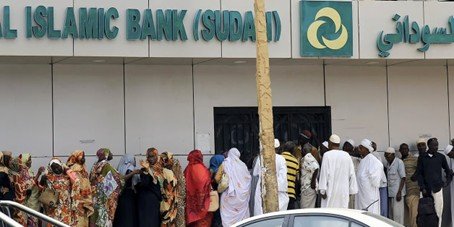
At a time when African economies are seeking to diversify their sources of funding whilst meeting the needs of millions of citizens, Islamic finance is gradually establishing itself as a credible and promising option. This financial approach, based on strong ethical principles, is beginning to influence the economic strategies of several countries across the continent.
The fundamental principles of Islamic finance
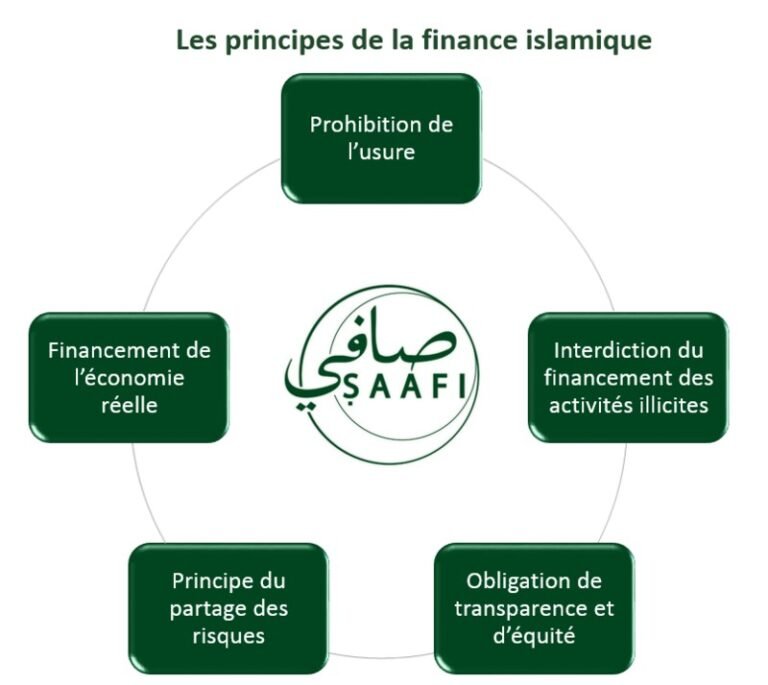
Islamic finance is based on rules derived from Islamic law (Sharia), the most notable of which are Key principles include the prohibition of interest (riba), the ban on speculation, and the requirement to finance productive and tangible activities. These principles aim to promote a financial system that is more stable, more ethical and more closely aligned with the real economy.
Contrary to popular belief, Islamic finance is not intended solely for Muslim markets: it offers an alternative framework that can appeal to investors and businesses seeking responsible financial instruments tailored to a diverse local demand.
Evidence of growth and genuine interest
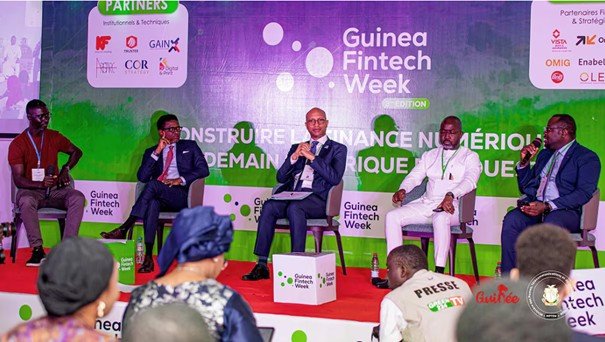
Islamic finance is attracting growing interest in several African countries. For example, during the Conakry Fintech Week in 2025, the discussions highlighted the importance of integrating Islamic finance into financial inclusion strategies, drawing inspiration from successful models such as that of Morocco, where participatory finance and technology are combined to reach populations that have traditionally been underserved.
Furthermore, the IFC and the Islamic Bank of Senegal announced in 2025 a partnership aimed at boosting financing for micro, small and medium-sized enterprises (MSMEs) through Islamic finance instruments. This financing, which could reach $40 million, aims to triple the SME financing portfolio in Senegal, whilst supporting job creation, particularly for women entrepreneurs.
A promising economic outlook
MSMEs play a vital role in the African economy, accounting for the majority of businesses and making a significant contribution to employment and national GDP. This context makes Islamic finance an attractive option for stimulating economic activity. Furthermore, organisations such as the Independent Islamic Finance Association in Africa (CIFIA) are working to improve understanding, compliance and education regarding these products, thereby facilitating their wider adoption.
The challenges to be overcome
Despite these advances, several obstacles remain to be overcome. The establishment of coherent regulatory frameworks, the training of specialist experts, and raising awareness amongst businesses of the benefits of these products are essential if Islamic finance is to truly establish itself as a key component of African finance.